

Continuous Integration & Continuous Deployment (CI/CD)
Not long ago, releasing software was an event the kind that required pizza, caffeine, and nerves of steel.
Teams would freeze code, run weeks (or months) of testing, and push one massive release to production. If something went wrong, everyone stayed up late fixing it. It wasn’t nearly as fun as that sounds.
A fundamental philosophy change happened called DevOps, that brought the guiding idea: if something is hard or risky, you should make it easy and safe to do often.
Deployment used to be the hardest, riskiest step the moment when new code could introduce bugs, break features, or even take an entire system offline. The natural reaction was to do it less often. But that only made the stakes higher each time.
Continuous Integration and Continuous Deployment (CI/CD) flipped that thinking. By breaking releases into smaller, more frequent updates, teams reduced risk instead of building it up. Each change is automatically tested, reviewed, and passed through “gates” in the pipeline automated checks for quality, security, and stability.
The result? Deployments become routine, not stressful. Instead of months between releases, changes can reach users in hours safely, confidently, and continuously.
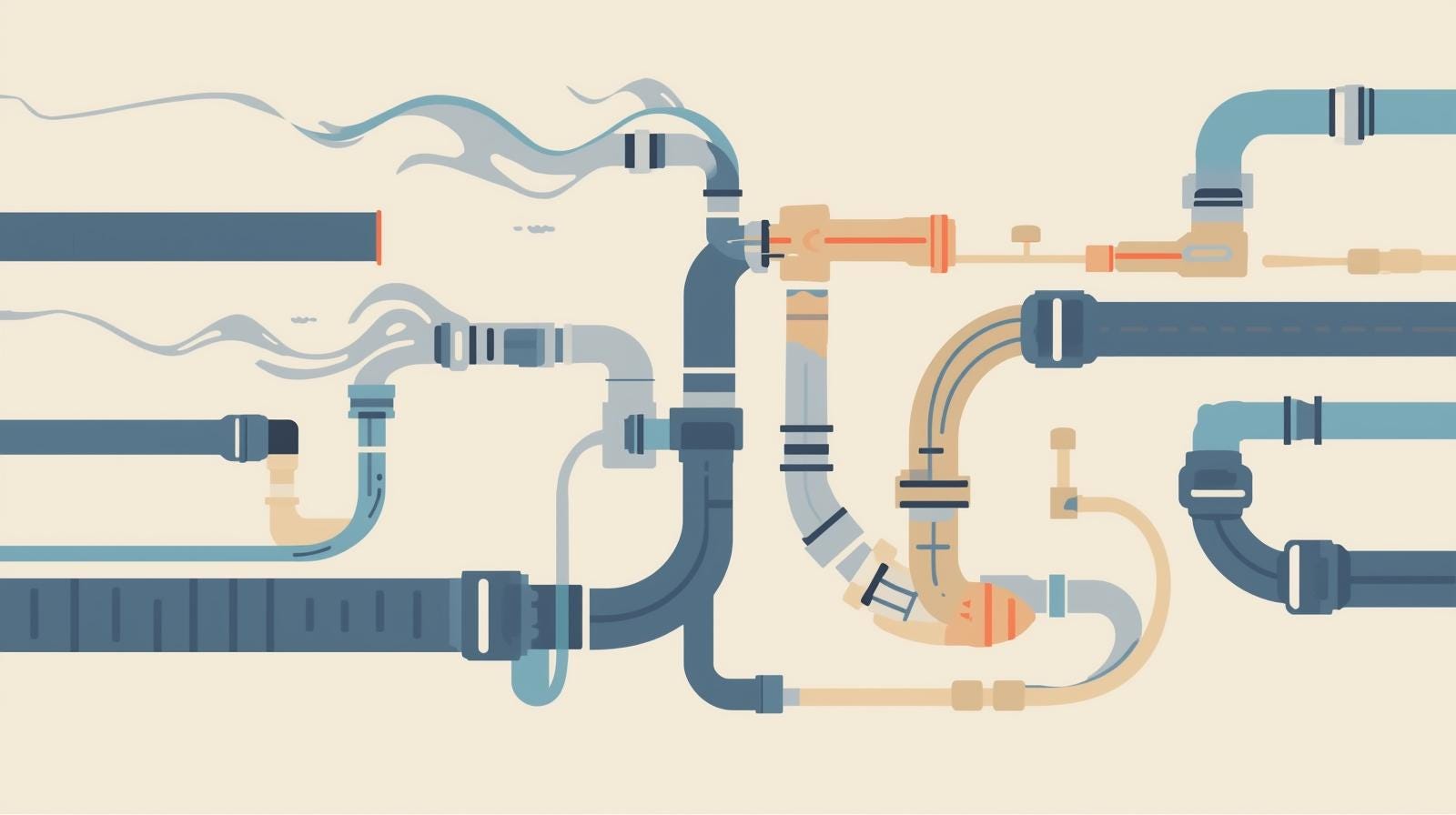
The Old Way: Manual, Risky, and Slow
In traditional software development, new features were bundled together into big, infrequent releases. Every change depended on dozens of others, so when one thing failed, everything failed.
Deploying updates felt like defusing a bomb carefully, slowly, and usually on a Friday night.
Teams needed a way to move faster without losing control.
What CI/CD Really Means
CI/CD is the modern answer. It’s a process that automatically builds, tests, and delivers software every time someone makes a change.
It’s made up of two connected ideas:
Continuous Integration (CI) Every time a developer pushes new code to the shared repository, automated systems:
Compile the code
Run unit and integration tests
Check for errors, security issues, and formatting problems
If everything passes, the code is merged. If not, the system stops and alerts the developer immediately.
CI keeps everyone’s work aligned, preventing those “it worked on my machine” moments.
Continuous Deployment (CD) Once code passes all the automated tests, it can move through staging and into production automatically sometimes within minutes of being written.
Instead of waiting months for a release window, updates can reach users the same day.
CD turns delivery into a smooth, repeatable process, not a high-stress event.
The Role of Automated Testing
Automated testing is the backbone of CI/CD. Without it, automation just means “deploy faster” and that’s a disaster waiting to happen.
Automated tests make sure that:
New features don’t break existing ones (regression testing)
Code works as intended (unit and integration testing)
User flows behave correctly across devices and browsers (end-to-end testing)
Every commit runs through these tests automatically. If something fails, the pipeline stops until it’s fixed.
It’s like having a digital safety inspector who never sleeps.
Cloud Infrastructure: The Other Half of the Story
CI/CD wouldn’t work without the cloud.
In the past, deploying software meant manually configuring servers, copying files, and restarting services all prone to human error.
Now, cloud infrastructure allows teams to:
Spin up and tear down servers automatically as part of the pipeline
Deploy across multiple environments (development, staging, production) in seconds
Run automated tests in parallel across regions and platforms
Scale instantly when traffic increases
Tools like AWS CodePipeline, Azure DevOps, Google Cloud Build, and GitHub Actions integrate seamlessly with CI/CD pipelines, connecting code to infrastructure.
This means infrastructure is no longer a separate concern it’s part of the same automated workflow.
Your code isn’t just tested and approved it’s deployed, monitored, and scaled automatically.
The New Normal: Minutes, Not Months
In the CI/CD world, speed and safety coexist.
A developer writes code, pushes it to Git, and within minutes or hours, that change can be in a user’s hands tested, validated, and deployed automatically.
Compare that to the old model, where a new release might take months to plan, test, and roll out.
Now, small, frequent releases mean:
Fewer bugs (because each change is smaller)
Faster feedback from users
Easier rollbacks if something goes wrong
⚙️ You’ve already built something smart now let’s make it shine.
Building something with no-code or AI tools and got stuck? We help you troubleshoot, refine, and connect what you’ve started — clean, simple, and reliable.
👉 Learn more at Lucenra Solutions