

The SOLID Principles
Software’s Golden Rules
Software design is full of rules and acronyms, but few have lasted as long or sparked as much debate as SOLID. These five ideas were meant to help developers write code that is easier to understand, test, and change. Over time, they’ve become part of the shared vocabulary of software engineering.
But where did they come from? And are they always good advice?
A Short History of SOLID
In the 1990s, Robert C. Martin often called “Uncle Bob” began collecting a set of best practices from the growing field of object-oriented programming. Developers were struggling with big, tangled systems that were hard to modify without breaking something else.
Martin’s goal was to describe principles that led to code that could adapt instead of collapse. He refined those ideas over the years, and by the early 2000s, he grouped five of them under one easy acronym: SOLID.
It stands for:
S – Single Responsibility Principle
O – Open/Closed Principle
L – Liskov Substitution Principle
I – Interface Segregation Principle
D – Dependency Inversion Principle
Single Responsibility Principle (SRP)
The idea:
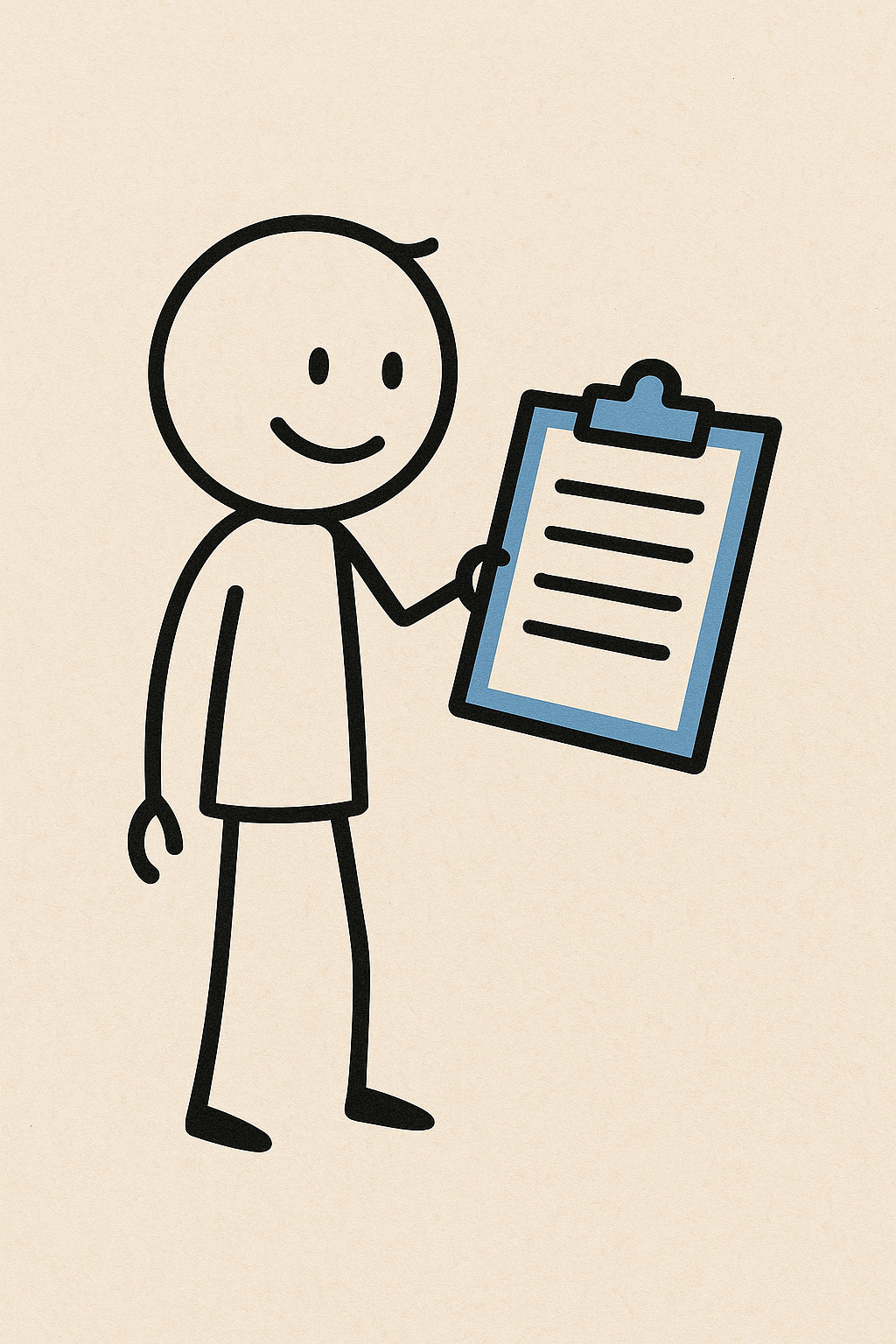
Every class or module should have one reason to change. In other words, each piece of code should do one clear job.
Why it’s good:
Keeps classes small and focused
Makes code easier to test
Reduces ripple effects when you make changes
Why it can go wrong:
Taken too literally, you end up with dozens of micro-classes that each do almost nothing. Too much separation can make the system harder to follow. The real trick is defining what “one responsibility” means in context.
Open/Closed Principle (OCP)
The idea:
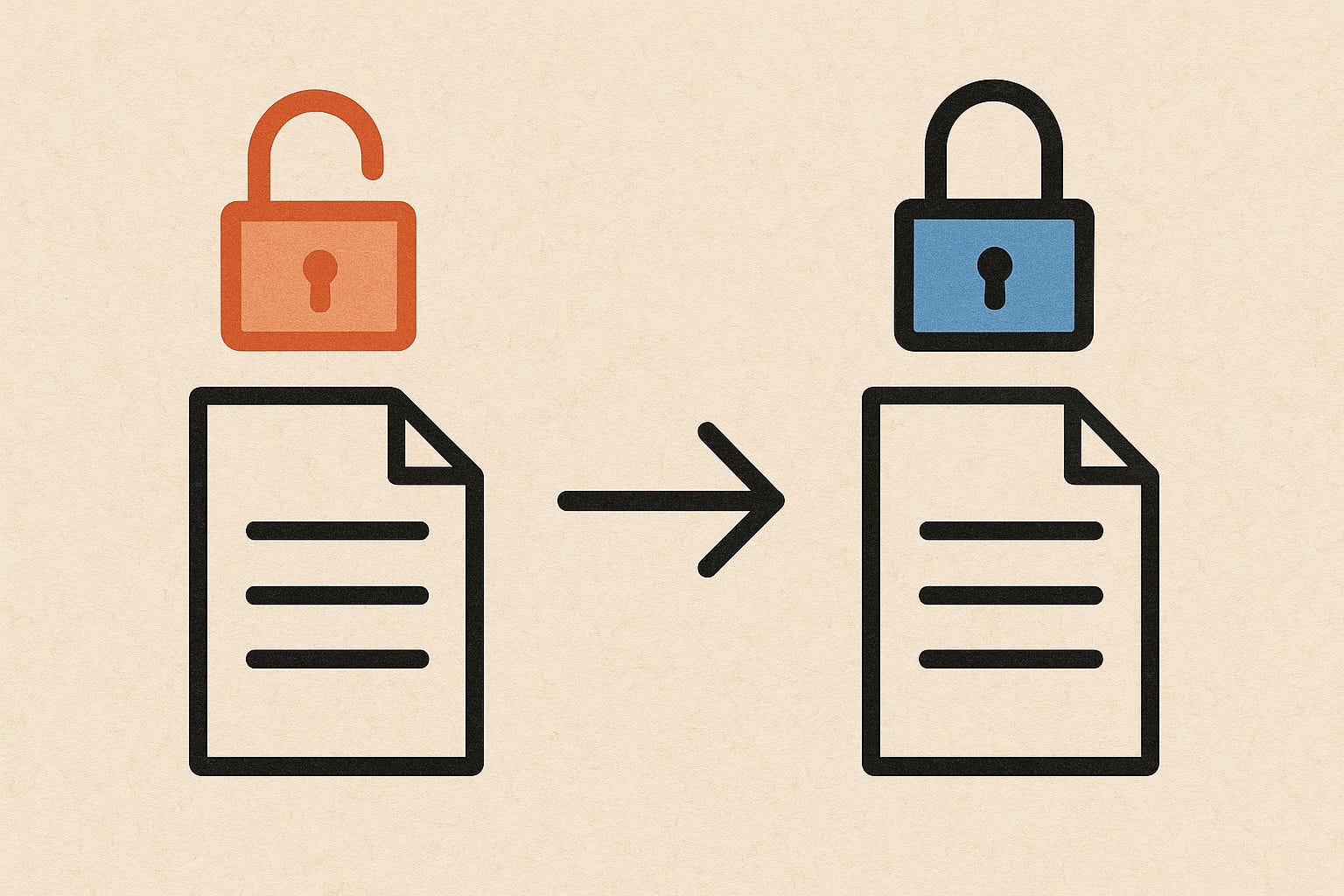
Software should be open for extension but closed for modification. You should be able to add new behavior without rewriting existing code.
Why it’s good:
Helps prevent breaking old functionality
Makes systems easier to grow safely
Encourages modular design and clear interfaces
Why it can go wrong:
It’s easy to over-engineer for change that never comes. Adding layers of abstraction “just in case” can make code slower, harder to read, and harder to debug.
Liskov Substitution Principle (LSP)
The idea:
If something works with a base class, it should also work with any of its subclasses. In other words, you should be able to swap one object for another without breaking the code that uses it.
A subclass is a more specific version of something broader. For example, Bird might be a base class, and Penguin or Eagle could be subclasses. Each shares the same general structure but may behave a little differently.
This principle is what makes polymorphism possible, the idea that different objects can respond to the same message in their own way. You can call bird.fly() without caring whether the bird is an eagle, a pigeon, or a parrot. As long as each subclass behaves as expected, the system stays predictable.
Why it’s good:
Reinforces consistency in object behavior
Encourages thoughtful use of inheritance and interface design
Makes polymorphism reliable, so systems stay flexible without becoming chaotic
Why it can go wrong:
Inheritance is easy to misuse. Many systems violate LSP because a subclass adds side effects, ignores expectations, or changes return types. Sometimes, composition or delegation is cleaner than forcing inheritance to fit.
Interface Segregation Principle (ISP)
The idea:
No class should be forced to implement methods it doesn’t need. Instead of one large, catch-all interface, use smaller, more specific ones.
Why it’s good:
Keeps code cleaner and easier to understand
Helps reduce tight coupling
Makes components more reusable
Why it can go wrong:
Too many tiny interfaces can cause the same problems as too many tiny classes extra boilerplate, more complexity, and less clarity. The key is balance: interfaces should describe meaningful groupings, not just random fragments.
Dependency Inversion Principle (DIP)
The idea:
Depend on abstractions, not on concrete details. High-level modules shouldn’t rely directly on low-level ones. Both should depend on shared abstractions, like interfaces.
Why it’s good:
Makes systems easier to test (you can swap out dependencies)
Encourages flexible and decoupled design
Allows different parts of the system to evolve independently
Why it can go wrong:
Overusing abstraction can make the code harder to follow. If everything is an interface, it’s hard to tell what actually does the work. Dependency injection frameworks also add complexity if the team doesn’t fully understand them.
Why SOLID Still Matters
SOLID principles weren’t meant to be hard rules. They were guides to help developers think about maintainability how to change software without breaking it. Used well, they make systems predictable, flexible, and testable. Used poorly, they lead to endless abstraction, over-design, and “pattern paralysis.” The sweet spot is knowing why the principles exist, not just memorizing what the letters mean.
⚙️ You’ve already built something smart now let’s make it shine.
Building something with no-code or AI tools and got stuck? We help you troubleshoot, refine, and connect what you’ve started — clean, simple, and reliable.
👉 Learn more at Lucenra Solutions