

What Exactly Is Software Engineering?
Software engineering is one of those terms that sounds bigger than it really is. It brings to mind huge teams, thick documentation, and complex diagrams. But at its core, it means something simple: building software with structure and purpose.
When you are programming or coding, you are focused on solving a specific problem. You write code, test it, and make sure it works. When you are engineering software, you step back and think about how that code will live and grow. You think about the people who will use it, the systems it connects to, and how it will keep running years from now.
Programming is about getting something to work once. Software engineering is about keeping it working for everyone, every time.
Good software engineers think about maintenance, security, and scale. They plan for change because every piece of software changes. What starts as a few lines of code can turn into a complex system, and keeping that system healthy takes more than good code. It takes good design. This is where AI often falls short. Its solutions are great programming but horrible software engineering.
Thinking in Systems
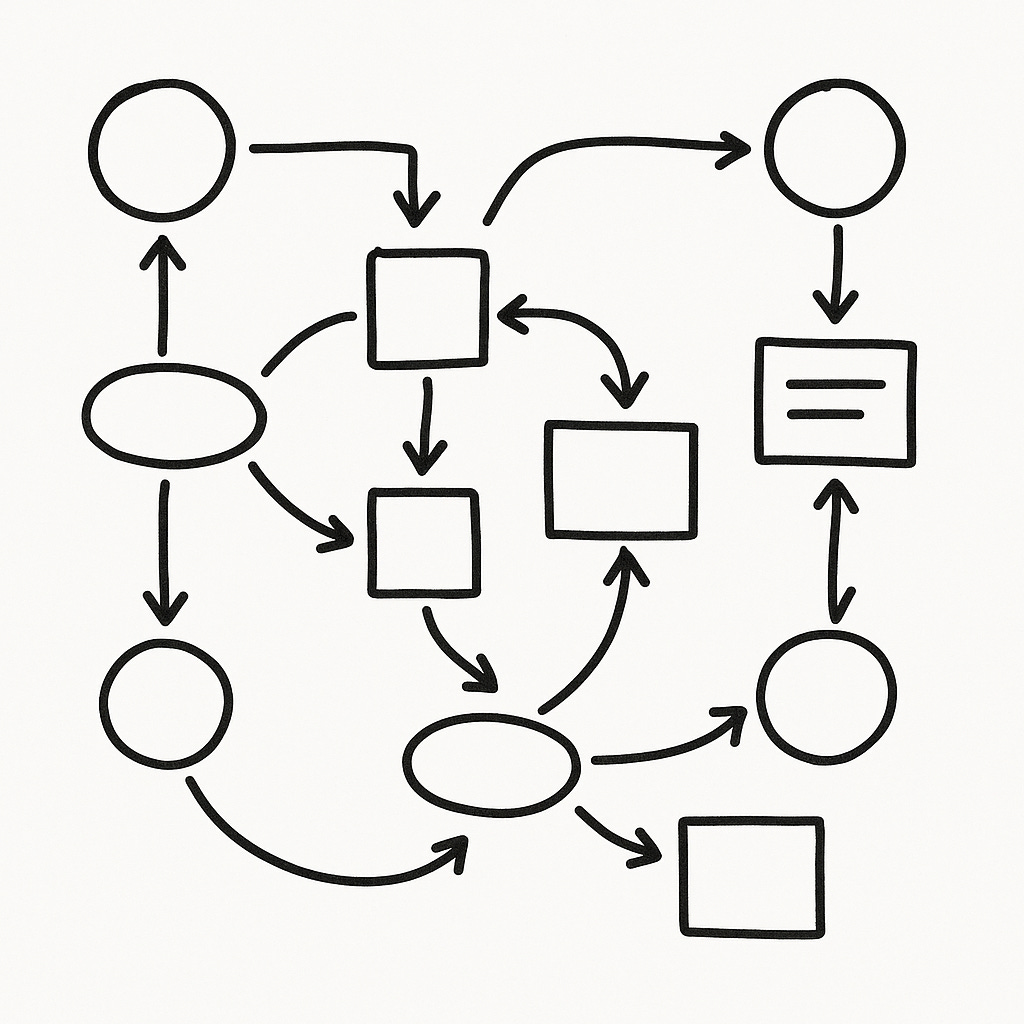
Software engineering is really about systems thinking. Code is just one part of the picture. Around it are other layers: cloud, deployments, databases, networks, users, and security. Each choice in these affects the others.
When you make one small change, it can ripple across the whole system. That is why software engineers learn to see connections, not just components. They ask how things interact, what might break, and how to design so that problems in one area do not bring down everything else. It’s a lot to keep in mind and is the root of so many white board discussions where pictures are taken at the end so we remember these choices.
The Software Development Lifecycle
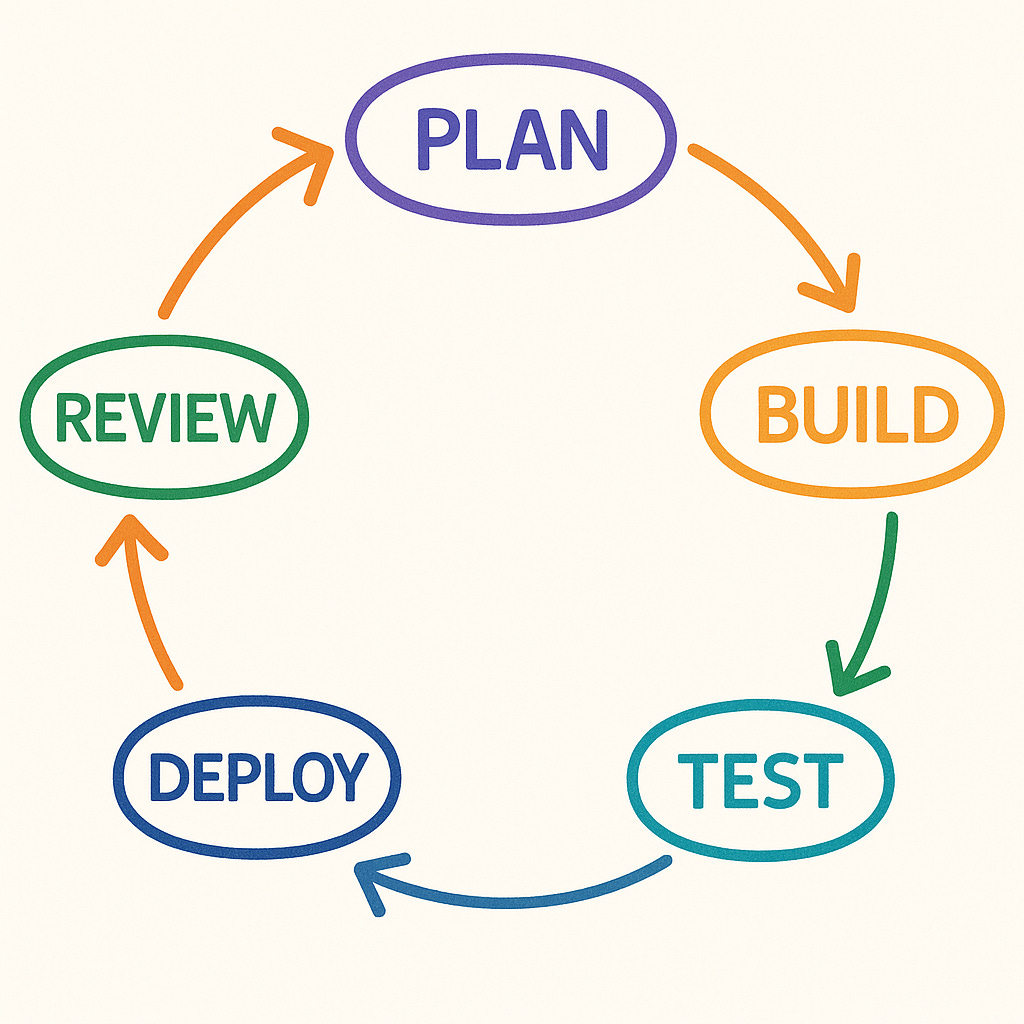
Building software that lasts also requires process. That is where the Software Development Lifecycle, or SDLC, comes in. It describes how software moves from an idea to something real, and how it continues to improve over time.
Waterfall
The older waterfall model treats development as a straight line. You begin with planning and design, move through coding and testing, and finally reach deployment. Each stage flows into the next, like water moving downstream. It works well when the goals are clear and unlikely to change, which never happens or in highly regulated industries where there is a lot more involved in a release. The trade-off is that once you move forward, it is hard to go back. If you discover a problem late in the process, fixing it can mean starting over.
Agile
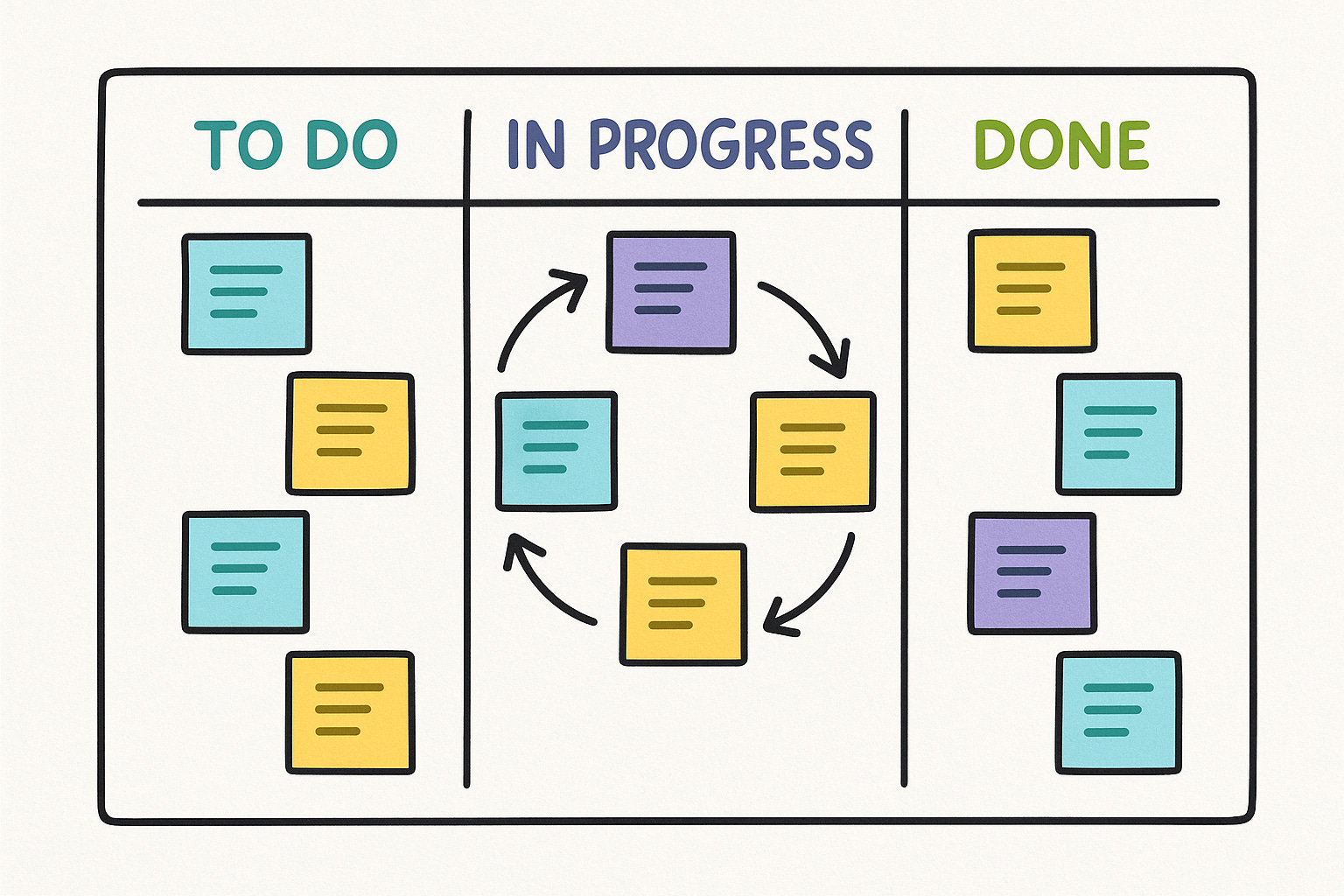
Then came agile methods, which replaced long, rigid phases with shorter, repeating cycles. Work is divided into small pieces called sprints, most often about two weeks long. That rhythm came from trial and error. In the early days of agile, teams experimented with different lengths to find a balance between speed and stability. One week felt too short; there was barely enough time to plan, build, and test something complete. A full month was too long; feedback arrived late, and priorities often shifted before the work was done. Two weeks turned out to be the sweet spot. It gave developers enough time to focus, testers enough time to verify, and managers enough time to gather feedback without losing momentum. It also fit neatly into the natural business cycle, with planning at the start of one week and review at the end of the next.
At the end of each sprint, teams review what was built, reflect on what worked, and plan what to tackle next. Feedback comes earlier, and change becomes part of the process instead of something to avoid. Agile made it easier to adapt to real users, shifting priorities, and new ideas as they appeared.
DevOps
Other approaches have grown from these two ideas. DevOps emphasizes close collaboration between development and operations so that building, testing, and deployment all happen in a smooth, continuous flow. Continuous integration and continuous delivery, often shortened to CI/CD, automate much of that work so updates can roll out faster and more safely.
The process can look different from one team to another, but the goal is always the same: to make building software predictable, repeatable, and reliable without losing the creativity that makes it worth building in the first place.
⚙️ You’ve already built something smart now let’s make it shine.
Building something with no-code or AI tools and got stuck? We help you troubleshoot, refine, and connect what you’ve started — clean, simple, and reliable.
👉 Learn more at Lucenra Solutions